Graduation · Commencement · Convocation
Graduation gifts, and everything the graduate has to buy anyway
The most common graduation gifts, counted
The most common graduation gift is something to carry — a bag, a folio or a case — which appeared in 8 of 38 first-hand accounts we read, or 21%. That is more than double any other physical category. Money and jewellery tie for second on 4 accounts each, then pens, books and tools on 3 each.
- Something to carry21%8 of 38
- Money or a card11%4 of 38
- Jewellery11%4 of 38
- Pens8%3 of 38
- Books8%3 of 38
- Tools8%3 of 38
n = 38 first-hand accounts, read 22 August 2026
Bags, folios and cases beat every other physical category by more than double, and no gift guide leads with them. Money ties for second, and not one person described still using it. Everybody who named a bag, a pen or a set of tools described the thing years later.
Read those figures honestly: 38 accounts from one platform, gathered on 22 August 2026, and three of the seven searches asked about things people still use. That biases the count toward things that lasted, which is useful if you are buying but is not the same as what gets given most often. At this sample size a single extra account moves a small category by about three points, so treat the ordering as the finding and the exact percentages as approximate.
Graduation gifts for her
We counted instead of guessing. Across 38 first-hand accounts of graduation gifts people actually received, the most common thing was something to carry, and the things people still describe using years later are almost never the things gift guides lead with. Every card below is a category the count found, summarised in our own words.
As an Amazon Associate I earn from qualifying purchases. We show no prices and recommend no product. Each link opens a search.Everything below is our own summary of first-hand accounts we read. We quote nobody, we name nobody, and nobody quoted or named here has any connection to this site, was contacted by us, or was paid by us. How we counted

A tool kit
The least glamorous thing here and the one people keep longest.
- Parents
- Grandparents
- Friends
What the accounts said
Three accounts named tools. Two described a brightly coloured set given at a school leaving, three decades and two platforms apart, and both volunteered the same unprompted explanation for why it survived: the colour meant nobody else in the house ever borrowed from it. One was still carrying part of the set through a fifteenth house move.
Our summary of 3 first-hand accounts, in our words.
8%of accounts named tools
3 of 38 accounts
How this was counted: Counted from 38 first-hand accounts logged across seven category-neutral searches of public discussion threads. No query named a product, so the categories come from what people wrote rather than from what we guessed. Measured 2026-08-22.
Tools are a small share of the count but they hold their place in it better than anything else: no account of one describes it being replaced or outgrown. The colour is doing more work than it looks, and it is the accounts themselves that keep raising it rather than us.
Before you click
- Decide between a boxed household set and a bag. The accounts that lasted were boxed sets that stayed complete.
- A distinctive colour is not a gimmick here. It is the reason two separate accounts still had theirs.
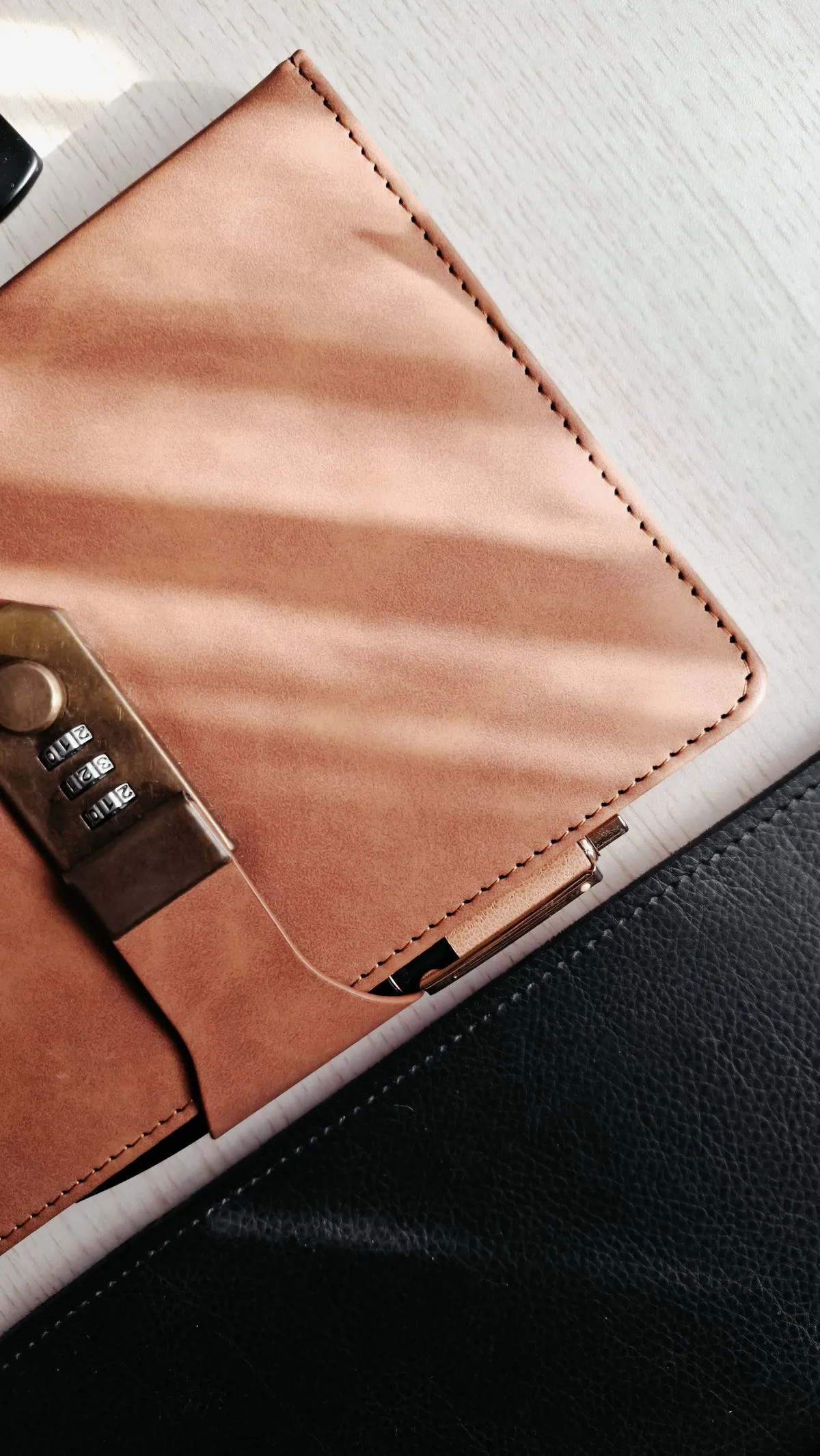
A folio with her name on it
The single most common category in the count, and the one nobody lists.
- Parents
- Grandparents
- Partner
What the accounts said
Carry items lead this corpus and a folio is the version most often named by people who had gone straight into professional work. Where one was described in any detail, the personalisation came up as the reason it was used rather than stored, and the use described was daily rather than occasional.
Our summary of 8 first-hand accounts, in our words.
21%of accounts named something to carry
8 of 38 accounts · the largest category in the count, by more than double
How this was counted: Counted from 38 first-hand accounts logged across seven category-neutral searches of public discussion threads. No query named a product, so the categories come from what people wrote rather than from what we guessed. Measured 2026-08-22.
Things you carry beat everything else in this corpus, and the version that gets named most often is the one that goes to work. The embossing is not decoration: across the accounts it is consistently what turns a folder into the thing that gets carried into an interview.
Before you click
- Personalised or plain is the fork. Personalisation is what the accounts credit with it being used rather than stored.
- Check it takes letter or A4 paper and has somewhere for a pen.

Proper luggage
Also a carry item, and the one she cannot borrow from home forever.
- Parents
- Grandparents
What the accounts said
Among the carry accounts, luggage is the one people recall in the most physical detail: one described the pattern and the year of a set received at a school leaving more than thirty years earlier. Very little else in this corpus is remembered that specifically, which is itself the argument for the category.
Our summary of 8 first-hand accounts, in our words.
A graduate moving out usually owns a rucksack and a borrowed duffel. Luggage sits inside the largest category in the count, and it is one of the few gifts people describe precisely enough to date.
Before you click
- A set or a single case. A graduate moving once a year gets more out of one good cabin bag than a three-piece set.
- Spinner wheels or two-wheel is the other fork, and it depends entirely on whether they will carry it up stairs.
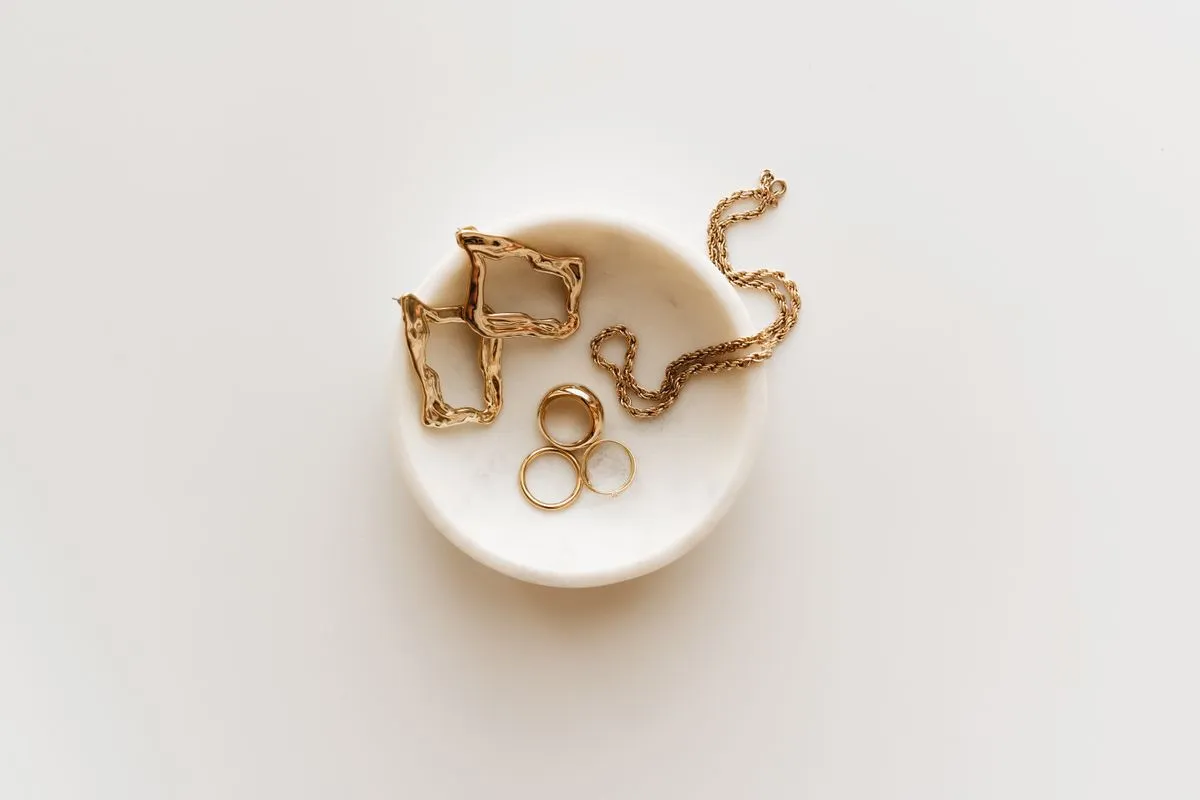
One piece of jewellery
Joint second in the count, and the advice attached to it is to spend less.
- Parents
- Grandparents
- Partner
What the accounts said
Four accounts named a piece of jewellery, and more than one added, unprompted, that it did not need to be expensive: the point was having an object that marked the date rather than the value of the object. The only negative jewellery account in the whole corpus concerns a stone that did not last the first year.
Our summary of 4 first-hand accounts, in our words.
11%of accounts named jewellery
4 of 38 accounts · tied for second with money
How this was counted: Counted from 38 first-hand accounts logged across seven category-neutral searches of public discussion threads. No query named a product, so the categories come from what people wrote rather than from what we guessed. Measured 2026-08-22.
Jewellery ties with money as the second most common category here. What makes it worth a card is not the ranking but the caveat the accounts keep volunteering without being asked for it.
Before you click
- The accounts are consistent that this does not need to be expensive. Spend on something they will wear daily.
- The one negative account in the corpus is about a stone that did not last. A plain metal piece has less to go wrong.

Glass food storage
The first kitchen thing she owns that she will not replace.
- Friends
- Parents
- Siblings
What the accounts said
The kitchen accounts in this corpus describe the opposite of the usual first-flat purchase: glass storage received at a college leaving and still in use many years later. It is also one of the few gifts here named as coming from a friend of the same age rather than from a parent or grandparent, which makes it one of the few that works sideways.
Our summary of 2 first-hand accounts, in our words.
A first flat is furnished in things that get thrown away inside two years. Kitchen equipment appears rarely in this corpus, but when it does the account is always about the thing outlasting the flat it was bought for.
Before you click
- Glass or plastic is the decision. Every kitchen account in the corpus that lasted was glass.
- Check the lids are sold with it and are the part rated well, because lids are what fail first.

A stocked medicine box
Everything she would otherwise buy at 2am in an unfamiliar pharmacy.
- Parents
- Grandparents
What the accounts said
Where this came up, it was ranked among the best gifts the writer had ever received, at any occasion, not merely the best graduation gift. The detail doing the work in every version of the account is that the box arrived already stocked. An empty box is a container; a stocked one is the errand nobody wants to run in an unfamiliar town.
Our summary of 1 first-hand account, in our words.
This one anticipates the first illness away from home rather than the graduation itself, which is why it almost never appears on a gift list. The detail that carries it is in how the accounts describe receiving it.
Before you click
- Stocked or empty. The whole point of this gift in the accounts is that it arrived already filled.
- Dorm and college kits are a distinct category and are sized for one person rather than a family.

A hardback, with something written inside it
Books are third in the count, and the inscription is what survives.
- Parents
- Grandparents
What the accounts said
Books tie for third in the count, and every account of one is decades old. In the longest of them the book was used until the binding gave way — but what the writer describes keeping afterwards is not the book. It is what somebody had written by hand inside the front cover. The inscription outlasted the object it was written in.
Our summary of 3 first-hand accounts, in our words.
8%of accounts named books
3 of 38 accounts · none of them a recent purchase
How this was counted: Counted from 38 first-hand accounts logged across seven category-neutral searches of public discussion threads. No query named a product, so the categories come from what people wrote rather than from what we guessed. Measured 2026-08-22.
Every book account in this corpus is decades old and none is a recent purchase, which is either a strong argument for the category or a sign that people stopped giving books. Read the accounts and it is clearly the former: they describe use, not sentiment.
Before you click
- Whatever you choose, the inscription is the part the accounts kept. Leave yourself a blank page for it.
- Hardback over paperback if it is meant to survive: every long-lived book account in the corpus is a hardback.
Graduation gifts for him
The same count, read for the things men are typically given. Bags lead here too, and the pattern that runs through every long account is the same: the gifts people still describe owning are the ones they carry, write with or wear.
As an Amazon Associate I earn from qualifying purchases. We show no prices and recommend no product. Each link opens a search.Everything below is our own summary of first-hand accounts we read. We quote nobody, we name nobody, and nobody quoted or named here has any connection to this site, was contacted by us, or was paid by us. How we counted
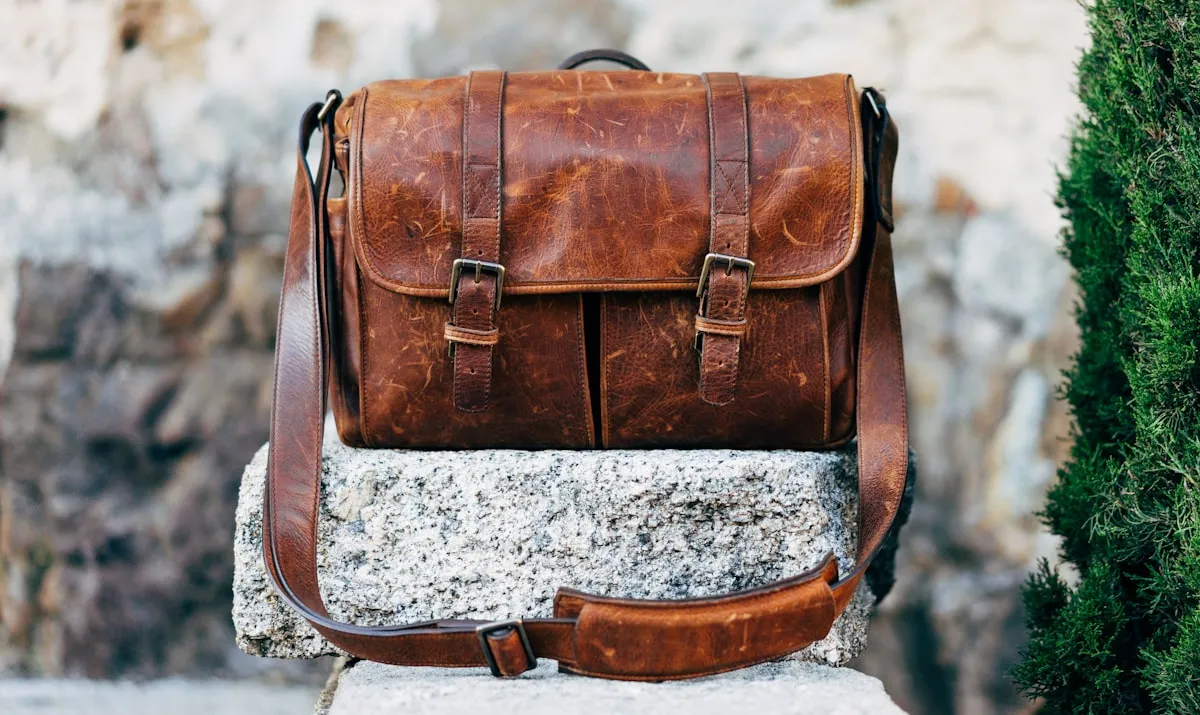
A bag he will carry to work
The most common category in the count, twice over.
- Parents
- Grandparents
- Partner
What the accounts said
Two people in law separately named a leather briefcase or messenger bag when asked what had lasted, neither of them prompted toward bags by the question. Across the carry accounts generally, the object described is the one taken to a first job, and the timescale described is years rather than months.
Our summary of 8 first-hand accounts, in our words.
21%of accounts named something to carry
8 of 38 accounts · the largest category in the count, by more than double
How this was counted: Counted from 38 first-hand accounts logged across seven category-neutral searches of public discussion threads. No query named a product, so the categories come from what people wrote rather than from what we guessed. Measured 2026-08-22.
Carry items lead this corpus by a distance, and among the men who named one it is almost always the bag they started their first job with. No gift guide leads with bags, which is the gap this page exists to point at.
Before you click
- Decide what has to fit. A laptop size is the single measurement that makes this bag usable or not.
- The accounts describe a bag taken to a first job, so favour something that reads as work rather than college.

A pen worth keeping
Third in the count, and it dominates one query outright.
- Parents
- Grandparents
- Partner
What the accounts said
Every pen account in the corpus appeared under our query about things still used daily, and none appeared anywhere else. The longest single span of use recorded anywhere in this sample is a pen: more than two decades of daily use, and when it was eventually lost the owner went looking for a replacement of a discontinued model rather than switching to something else.
Our summary of 3 first-hand accounts, in our words.
8%of accounts named pens
3 of 38 accounts · all three surfaced under the "still use every day" query
How this was counted: Counted from 38 first-hand accounts logged across seven category-neutral searches of public discussion threads. No query named a product, so the categories come from what people wrote rather than from what we guessed. Measured 2026-08-22.
Pens are a small category that behaves unusually: every single account of one surfaced under the query about things people still use every day, which no other category managed as consistently. That is a strong signal from a small number.
Before you click
- Fountain, rollerball or ballpoint. A fountain pen is a commitment; a rollerball is the one that gets used daily.
- Check refills are a common size. The longest account in the corpus is about replacing a pen, not buying one.

A watch, and not an expensive one
The most useful account in the corpus is also the most critical one.
- Parents
- Grandparents
- Partner
What the accounts said
The most detailed watch account in this corpus is thirteen years old and mildly critical: still worn about once a week, and in the same breath described as having a scratched crystal and visible wear, with the writer noting that a little more money would have bought better. Taken together that is an argument for buying a watch at this price rather than against it, and it is the only account here that argues both ways at once.
Our summary of 1 first-hand account, in our words.
Worth including precisely because the source material is not flattering. The watch accounts here are the only ones in the corpus that criticise the object while still recommending the category, and that combination is more useful to a buyer than praise.
Before you click
- Set a modest budget deliberately. The most useful account here is thirteen years on a cheap watch, with reservations.
- A plain dial and a strap that can be replaced will outlast anything fashionable.
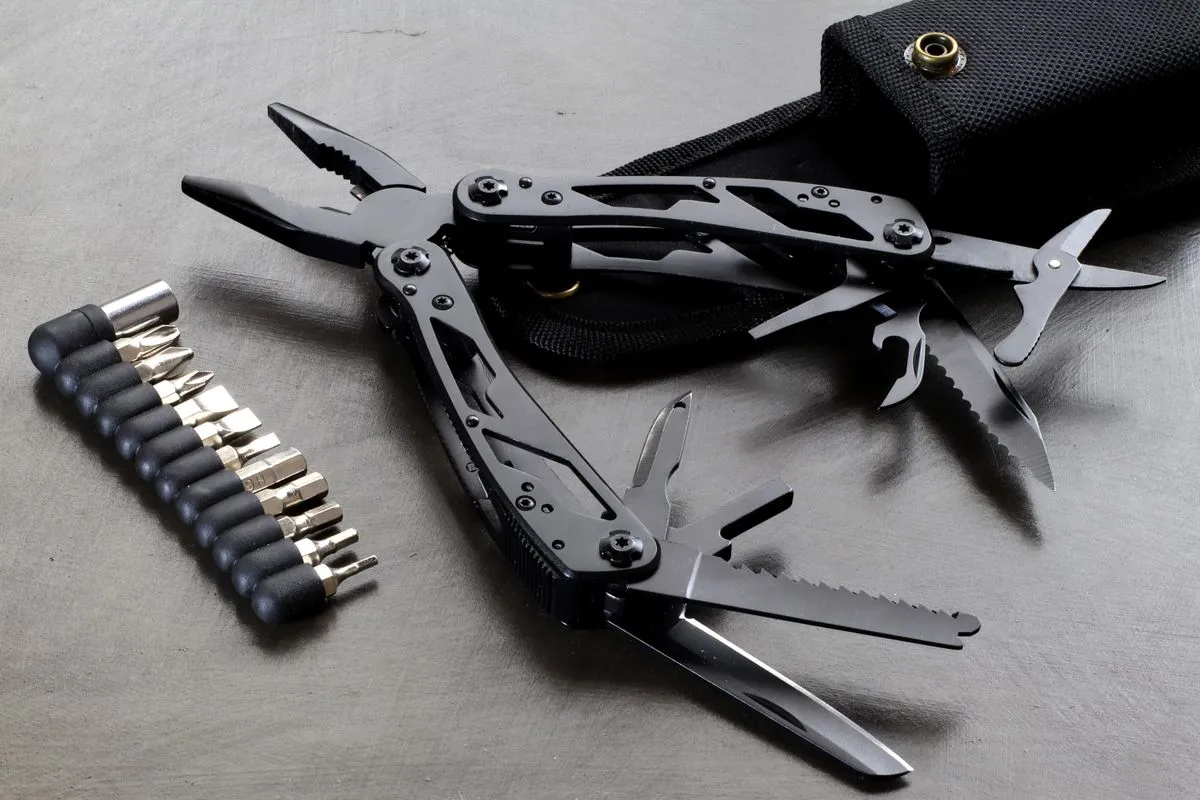
A pocket multi-tool
The tool kit’s smaller cousin, and the one that gets carried.
- Parents
- Friends
- Siblings
What the accounts said
The longest account of a multi-tool in this corpus covers two decades and describes use several times a week rather than occasionally: cutting fruit away from the house, trimming a nail, tightening a loose screw. It is the same pattern the household tool accounts show, at a size that fits in a pocket.
Our summary of 3 first-hand accounts, in our words.
Tools run through this whole page, from a household set to this. The pocket version is the one that leaves the house, which is why it accumulates the kind of use the accounts describe.
Before you click
- Pocket or belt. The accounts that describe daily use are all pocket-sized ones with a clip.
- Check which tools are on it. The uses described are cutting, screws and pliers, not specialist blades.

One good cookbook
The longest verified service life anywhere on this page.
- Parents
- Grandparents
- Friends
What the accounts said
The longest service life recorded anywhere in this corpus is a cookbook: received at a college leaving in 1984 and described as still in regular use, four decades on and in a softcover edition that was never built to last that long. The specific title matters far less than the pattern, which is that a cookbook given at graduation tends to still be in the kitchen long after the kitchen has changed.
Our summary of 3 first-hand accounts, in our words.
Books are third in the count and every account of one is old. The cookbook accounts are the oldest of all, and they are about use rather than about keeping something on a shelf.
Before you click
- A general, foundational book beats a specialist one for somebody setting up a first kitchen.
- Hardback if it is going to live on a worktop. The oldest account in the corpus is a softcover, and it shows.

Get the diploma framed
The gift nobody thinks of because it is already in the room.
- Parents
- Grandparents
- Partner
What the accounts said
This came up as a suggestion rather than as a gift anyone in the corpus reported being given, and it is listed here on that basis rather than on the strength of the count. The reasoning behind it is sound on its own terms: the certificate is the one object every graduate is guaranteed to own, and the one they are least likely to get round to dealing with themselves.
Our summary of 1 first-hand account, in our words.
This is the one card on the page that does not come out of the count, and it should stay labelled that way. It appeared as a suggestion rather than as something anyone reported receiving.
Before you click
- Measure the certificate first. Diploma sizes vary by institution and this is the one gift that must fit exactly.
- Decide whether you want a tassel opening as well, because that is a different frame.
What the graduate buys and wears
Build your search
Degree
What you need
choose as many as you likeColour
optionalNo colour matches that.
Bachelor’s gown, shown by default. Pick a degree to change the sleeves.
A diagram, not the product. The colour you pick here is a Faculty colour. The code puts it on the hood’s velvet, and on doctoral facings and sleeve bars where an institution chooses, but never on the robe. That is why the gown above does not change. On gowns the code says only that they are “typically black, but some colleges and universities have authorized optional gowns tailored from fabric in the colors of the institution”. Those are the university’s colours, a different thing altogether from your Faculty colour. Tassel, stole, sash and cord colours are set locally and sit outside the code altogether, so treat those here as the colour you are searching for rather than the one you will be issued.
Your search
- graduation regalia
As an Amazon Associate I earn from qualifying purchases. We show no prices and recommend no product. Every link here opens a search.*
Search Amazonpaid linkColour names follow the Intercollegiate Code of Academic Costume, which is what regalia suppliers work from. Your university decides what you actually wear and may keep its own list, so check with your registrar before ordering. Read from Faculty colors and Revised Intercollegiate Code on 2026-08-20.
What you wear, piece by piece
American commencement dress runs to seven items at most, and a graduate typically buys one or two of them. A graduation gown, its hood and the cap almost always arrive through the university’s own regalia programme, and the tassel usually comes with the cap. What is left is where graduates spend their own money: a graduation stole or sash, and, depending on who awarded them, honour cords. American suppliers and universities almost always spell those “honor cords”. Worth knowing before you go looking for them. None of it is covered by any national code, so every rule about it belongs to your university.
As an Amazon Associate I earn from qualifying purchases. We show no prices and recommend no product. Each link opens a search.
Gown
Usually issued to youBlack, sleeve shape set by your degree level.
Ordered through your university’s regalia programme, almost never bought separately. The sleeves are the tell: pointed for a bachelor’s, long and closed with a crescent cutout for a master’s, round and bell-shaped for a doctorate. Only the doctoral gown carries velvet facings and sleeve bars.
Your university sets the ordering deadline, and it is usually weeks before the ceremony. Miss it and there may be nothing to rent.
Hood
Usually issued to youThe draped piece down your back. Four colours to specify.
A supplier asks for four things: the shell, the velvet edging, and two satin lining colours. The shell and edging come from your degree; the two lining colours are your university’s. Length follows the degree: three feet for a bachelor’s, three and a half for a master’s, four for a doctorate.
The lining colours are your university’s, not your subject’s. This is the part most orders get wrong.
Cap
Usually issued to youThe mortarboard, normally included with the gown.
Comes with the gown package in almost every case. Where decoration is permitted at all it is usually restricted to the flat top surface, and policies commonly prohibit political or offensive designs.
Institutions generally reserve the right to ask a graduate to remove a decorated cap.
Tassel
Either, so check firstUsually issued with the cap. Colour is your university’s call.
Some universities assign tassel colour by discipline, some use one colour for everyone, some use the class year. Because it normally arrives with the cap, buy one only if you are replacing it or sourcing your own set.
2 ways to buy this
- Replacement or spare tassel
Only if yours has not been issued, or you want a spare for photographs.
- Class-year charm
A small dated charm that hangs on the tassel. Not universal, and not always permitted.
Check whether yours is included before buying. A mismatched tassel is noticeable in the line.
- Replacement or spare tassel
Honour cords
Either, so check firstOptionalAwarded, not chosen. Colours are set locally.
A thin braided cord with a tassel at each end. Latin honours cords and honour-society cords are issued to you once eligibility is confirmed. Departmental and general honour cords vary, and some universities expect you to supply your own.
Buy this yourself
- Honour cords you supply yourself
Only where the awarding body has told you to buy your own, and told you the colour.
Cord colours are not standardised nationally. The same gold cord means different things at different universities, so confirm the colour with whoever awards it before buying, or you may not be permitted to wear it.
- Honour cords you supply yourself
Stole or sash
You buy this yourselfOptionalThe item you are most likely to buy yourself.
A wide band worn over the shoulders, marking heritage, a country or an organisation. Suppliers use “stole” and “sash” for much the same thing. None of it is covered by any academic code, so every rule about it is your university’s.
4 ways to buy this
- Kente or heritage stole
Kente cloth, serape and similar. Permitted explicitly at many universities.
- Country or flag stole
Commonly worn by international graduates.
- Organisation or Greek stole
Often restricted to organisations the university formally recognises.
- Plain or custom sash
A single-colour band, sometimes embroidered to order.
Many universities allow only one stole at a time, and most reserve the right to require removal of anything they consider offensive. Check before you buy.
- Kente or heritage stole
Graduation gowns and hoods, by degree level
Three things change with the level of the degree, and none of them change with your subject. The shape of the graduation gown’s sleeves, the length of the hood, and the width of the velvet edging around it. A supplier will ask for all three, so it is worth knowing which row you are before you call.
| Degree | Gown sleeves | Hood length | Velvet edging |
|---|---|---|---|
| Bachelor | Pointed, worn closed | Three feet | Two inches |
| Master | Long and closed, crescent cutout | Three and a half feet | Three inches |
| Doctor | Round and bell-shaped, velvet bars | Four feet | Five inches |
The hood carries four colours, and only one of them comes from your degree. The black shell matches the gown. The velvet edging is the Faculty colour, read from your degree title. The last two are satin linings, a field and a chevron across it, and both belong to the university awarding the degree. Getting the lining wrong is the most common ordering mistake, because people reach for their subject’s colour instead of their university’s.
Frequently asked questions
Does my major decide my hood colour?
No. Under the Intercollegiate Code the colour is read from the Faculty in the degree title as it appears on the diploma, not from the subject or major. A Bachelor of Science in Nursing is a Science degree and takes the golden yellow of Science; the apricot of Nursing belongs to a degree whose Faculty is Nursing, such as a Master of Nursing.
Why do sources disagree about the colour for my subject?
Because three codes are in circulation. The 1895 Intercollegiate Code authorised eight colours, the Intercollegiate Bureau expanded that to 34 between 1895 and 1961, and the Intercollegiate Registry issued a consolidated revision in 2019. Institutions follow whichever they follow, and your registrar or regalia supplier will know which.
What is the difference between a bachelor's, master's and doctoral gown?
The sleeves. A bachelor's gown has pointed sleeves and is always worn closed. A master's gown has long closed sleeves with a crescent-shaped cutout, and may be worn open or closed. A doctoral gown has round, bell-shaped sleeves and is faced down the front with velvet, with three bars across each sleeve.
How long is an academic hood?
Hood length follows the degree level: three feet for a bachelor's, three and a half feet for a master's, and four feet for a doctorate. The velvet edging widens with the level too, at two inches, three inches and five inches.
Can a doctoral gown use a colour other than black velvet?
Yes. The code permits the facings and sleeve bars to be velvet in the Faculty colour instead of black, matching the velvet edging of the hood. Where black velvet is used it may be outlined with piping in the Faculty colour. Facings are three to five inches wide; sleeve bars are one to two inches wide and fourteen to eighteen inches long.
What is the difference between a stole and a sash?
In practice, very little. A stole is a wide scarf-like band worn over the shoulders and down the front of the gown; suppliers use "sash" for the same item, sometimes for a version worn across one shoulder. Neither is covered by the Intercollegiate Code, so both are governed entirely by your institution.
Can I wear a kente or cultural stole at graduation?
Many institutions permit cultural and heritage stoles explicitly, including kente cloth, serape and national flag stoles for international graduates. Some limit graduates to one stole at a time, and most reserve the right to ask for the removal of anything they consider offensive. Check your own commencement office before buying.
Is a stole the same as an academic hood?
No. The hood is part of the specified academic costume and its colours are set by the Intercollegiate Code and your institution. A stole sits outside the code entirely and marks affiliation, heritage or organisation membership.
What do graduation cord colours mean?
There is no national standard. Cord colours are assigned by whoever awards them, whether that is your institution, an individual department or an honour society, and the same colour can mean different things at two universities. Confirm the colour with the body awarding it before buying anything.
Can I buy my own honour cords?
It depends which kind. Latin honours cords and honour society cords are normally issued to you once eligibility is confirmed, and buying a lookalike is often not permitted. Departmental and general honour cords vary. Ask before you buy.
How many cords can I wear?
That is set by your institution, not by the Intercollegiate Code, which does not cover cords at all. Some institutions place no limit on cords but allow only one stole at a time. Check your commencement office.
Which side does the tassel go on?
That is set by your institution and announced at the ceremony, not by the Intercollegiate Code. The common American practice is to move it from right to left at the moment the degree is conferred, but institutions differ and some do not move it at all.
What colour should my tassel be?
Your institution decides. Some assign tassel colour by Faculty, mirroring the hood edging; some use a single institutional colour for everyone; some use class year. Because it is usually issued with the gown, the safe answer is to wear the one you are given.
Can I decorate my graduation cap?
Where it is permitted at all, it is commonly restricted to the top surface only, and policies frequently prohibit political or offensive designs. Institutions generally reserve the right to ask a graduate to remove a decorated cap. Check before you commit time to one.
Will my university accept what I buy?
Your university decides. Cord and stole permissions, how many you may wear at once, tassel colour and cap-decoration rules are all set locally and are not checked here. Gowns, hoods and caps are usually issued through the university rather than bought independently. Confirm with your registrar or commencement office before ordering.
Specifications and colour names follow the Intercollegiate Code of Academic Costume, which is what regalia suppliers work from. Your university decides what you actually wear and may keep its own list, so check with your registrar before ordering. Read from Faculty colors and Revised Intercollegiate Code on 2026-08-20; hood lengths and edging widths re-read at source on 2026-08-21.
Questions about the count
Frequently asked questions
Are gift cards a good graduation gift?
They are among the most common — money and gift cards together appeared in 4 of 38 accounts, tied for second — but they are the least memorable thing in our sample. No account of money or a card described the gift years later, whereas the accounts of bags, pens, tools, books and jewellery almost all did. If you want the gift remembered, the count argues against a card. If you want it used, a card is hard to beat.